expert wiring and installation solutions for Mesa Electrical Contractor
Leading Electrical Contractor Services for Safe and Effective Homes
In today's homes, electrical safety and efficiency are essential. Hiring a professional electrician can greatly reduce hazards and enhance energy control. Key services offered include thorough inspections, electrical system enhancements, and the incorporation of smart technology. All these components plays a crucial role in creating a safe and cost-effective home atmosphere. Grasping the complete range of these offerings can uncover further benefits. What should homeowners focus on in their electrical needs?
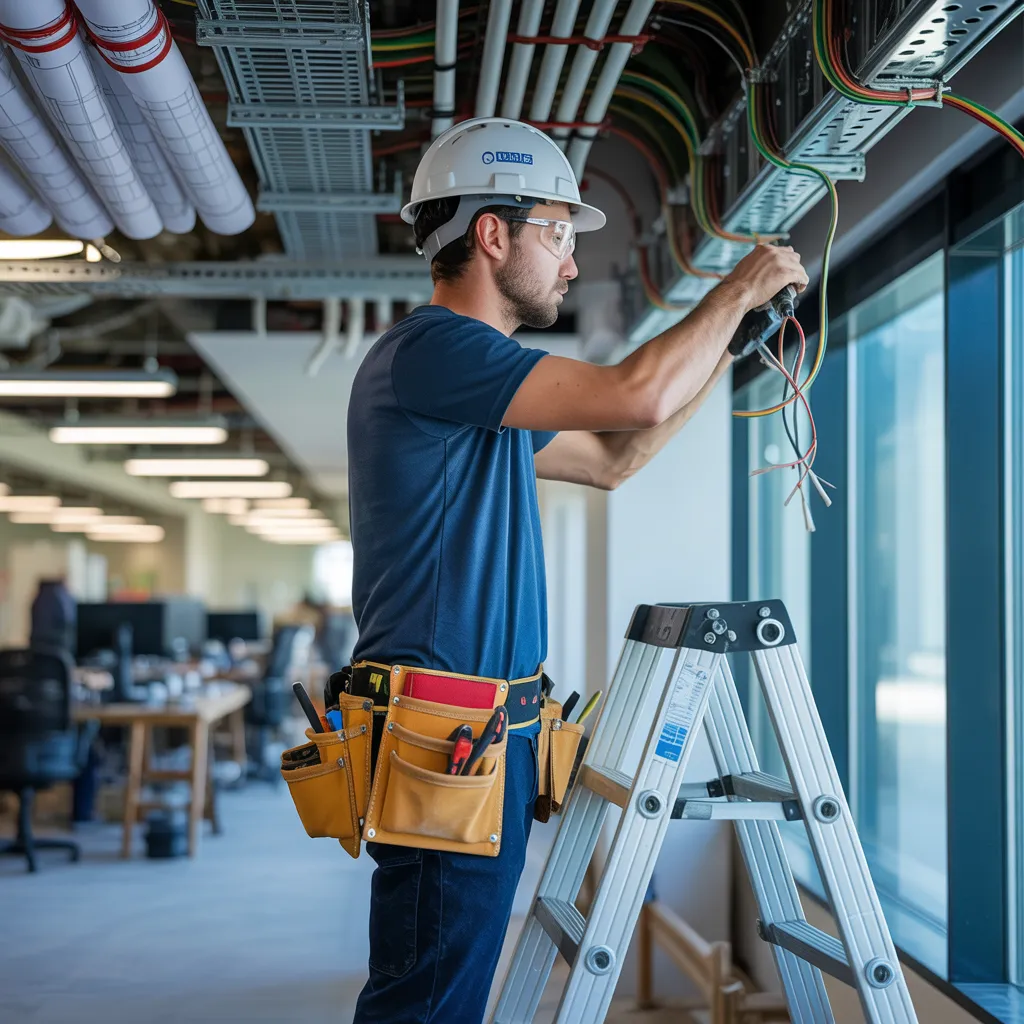
The Essential Nature of Appointing a Qualified Electrical Specialist
When performing any electrical work, the significance of engaging a licensed electrical professional cannot be understated. Qualified contractors have the required instruction, licensing, and expertise to guarantee that electrical installations and repairs comply with regulatory standards and safety requirements. Their knowledge reduces the risk of accidents, such as electrical shocks or fires, which can result from incorrect management of electrical equipment. Additionally, a qualified contractor can properly evaluate a job's extent, offering valuable insights on security, effectiveness, and budget efficiency.
Engaging a professional also means access to quality supplies and equipment, which additionally enhances the reliability of the work performed. Additionally, a certified professional often maintains insurance, offering protection against potential liabilities during the job. Ultimately, retaining a skilled electrical specialist not only guarantees adherence to local codes but also delivers confidence, knowing that the electrical system will operate safely and efficiently for years to come.
Key Electrical Services for Safety and Performance
Skilled electrical contractors deliver a selection of important services that increase both safety and efficiency in electrical systems. One vital service is inspections of electrical systems, which detailed information reveal potential risks and confirm compliance with safety standards. These inspections help homeowners evade dangerous situations, such as electrical fires or shock risks.
Another crucial offering is circuit installation and upgrades, which enable better load management and reduce the risk of overloading. Correct bonding and grounding are also essential, as they protect against electrical surges and guarantee stability in the system.
Additionally, power-saving lighting and smart home technology installations not only cut utility costs but also strengthen overall safety by supplying better visibility and control. Ongoing maintenance and troubleshooting services help reveal issues early, stopping costly repairs and sustaining system longevity. Collectively speaking, these services work substantially toward crafting safe and efficient living environments.
Improving Your Electrical System: Essential Points
Upgrading an electrical system is essential for ensuring safety and efficiency as homes and businesses progress. Several key factors must be taken into account during this phase. First, it is critical to review the current electrical usage and limits. Many legacy installations may not handle modern appliances and technology, creating potential hazards. Next, evaluating the condition of wiring and circuit breakers is essential; outdated components can pose serious dangers.
Furthermore, adherence with current electrical codes and regulations should be emphasized to prevent legal issues and enhance safety. Homeowners should also think about future needs, such as growing energy demands, when planning upgrades. Finally, engaging a certified electrical contractor ensures that the upgrade is performed correctly and safely, offering peace of mind. By tackling these factors, individuals can create a reliable electrical system that meets modern demands while emphasizing safety.
How Energy-Saving Lighting Can Revolutionize Your Home
Energy-efficient lighting offers the capability to substantially elevate both the usefulness and decorative value of a home. By adopting technologies such as LED and CFL bulbs, homeowners can substantially cut energy consumption while maintaining optimal light levels and color fidelity. These illumination choices not only cut electricity bills but also feature a prolonged life span, decreasing the need for constant updates.
Beyond economic advantages, efficient illumination offers a more agreeable domestic space. It can be tactically employed to highlight architectural features, develop mood, and improve overall mood. Moreover, with the reduced heat output of energy-efficient bulbs, homes become safer, lowering the risk of overheating and fire hazards.
The benefits exceed beyond immediate savings, as energy-efficient lighting promotes sustainability efforts by lowering carbon footprints. Consequently, selecting these lighting solutions is a sensible choice for homeowners aiming to enhance their living spaces while advancing environmental stewardship.
The Part of Connected Home Systems in Power Management
Smart home technology serves a crucial function in energy management by allowing residents to track their energy consumption through advanced energy monitoring systems. Additionally, automated lighting solutions allow for efficient control over illumination, reducing unnecessary energy use. Together, these innovations support more sustainable living environments.
Energy Management Systems
A expanding number of homeowners are turning to energy monitoring systems as an vital component of modern energy management. These systems provide real-time insights into energy consumption, enabling users to identify patterns and areas for improvement. By integrating with smart home technology, energy monitoring systems can track the energy usage of individual appliances, empowering homeowners to make informed choices about their energy consumption. This data-driven method not only improves efficiency but also contributes to cost savings on utility bills. Additionally, many energy monitoring systems can send alerts and notifications, encouraging users to adjust their habits or settings as needed. As energy awareness grows, these systems empower homeowners to take control of their energy use, promoting sustainability and minimizing waste.
Automated Illumination Solutions
Automated lighting solutions are redefining how homeowners manage their energy consumption. Through the integration of smart technology, these systems provide users the ability to control lighting remotely via smartphones or voice commands. This aspect not only improves convenience but also encourages energy efficiency. For instance, lights can be set to turn off when a room is unoccupied, thereby minimizing wastage. Additionally, smart sensors adjust brightness based on natural light levels, maintaining optimal illumination without wasting energy. Homeowners can also establish schedules for lighting, aligning usage with their daily routines. Therefore, automated lighting solutions play a key role in energy management, cutting costs and enhancing sustainability in homes. This innovative technology illustrates the future of energy-efficient living.
Anticipated Outcomes of Safety Inspections
What essential features should one anticipate during safety checks conducted by electrical contractors? First, contractors will assess the electrical panel for proper labeling and effectiveness, ensuring that all circuits are operational and sound. They will assess wiring integrity, looking for signs of wear, fraying, or improper installation that could pose hazards. Grounding and bonding systems are also checked to establish compliance with safety standards.
In addition, the inspection includes assessing outlets and switches for proper operation and potential overheating. Smoke detectors and carbon monoxide alarms are tested for functionality, as these are essential for home safety. Finally, contractors will deliver advice for any needed repairs or upgrades, intending to enhance safety and efficiency. Overall, these inspections are essential for identifying risks and confirming that the electrical systems satisfy current codes and safety regulations, ultimately defending inhabitants and property.
Suggestions for Picking the Correct Electrical Contractor for Your Needs
What approach can one use to ensure they select the right electrical contractor for their unique requirements? First, it is crucial to check credentials, confirming the contractor is certified and insured. This protects homeowners from likely risks. Next, requesting recommendations from friends or online reviews can provide insights into the contractor's reliability and quality of work.
Additionally, procuring several quotes can help assess costs and services, but the lowest bid may not always signify the best worth. It's also sensible to inquire into the contractor's experience with certain projects, as skill in particular niches can be vital.
Ultimately, open communication is important; a reliable contractor should be prompt and able to manage concerns. By adhering to these guidelines, householders can confidently choose an electrical contractor who suits their needs, maintaining both safety and efficiency in their homes.
Often Asked Questions
What Methods Can I Take to Identify a Qualified Electrical Professional in My Area?
To recognize a licensed electrical contractor, one should review local licensing boards, look at internet feedback, request referrals from loved ones, and validate certifications through official state or local government websites for accuracy and regulatory conformance.
What Are the Indicators of an Overburdened Electrical Network?
An taxed power system displays symptoms such as often tripped circuit breakers, flickering illumination, outlets that are discolored or warm, and the scent of burnt plastic. These indicators suggest that the system might not support the present electrical consumption.
How Often Should I Schedule Electrical Inspections?
Electrical checks should be scheduled every three to five years. However, residents should think about more frequent inspections if they identify issues like flickering lights, frequent tripping breakers, or if they have obsolete wiring.
Is conducting your own electric repair work both secure and lawful?
DIY electrical work can be unsafe and may contravene local laws. Proper training, knowledge, and adherence to regulations are necessary for safety. It's best to contact a professional electrician for difficult assignments or significant repairs.
What Warranties Might I Get From Electrical Work?
Customers should anticipate warranties covering workmanship, usually ranging from one to five years, and manufacturers' warranties on materials. These warranties ensure quality and reliability, delivering peace of mind for any electrical service performed.